
Conditioner vs. Hair Mask: When to Use Each and How to Apply Them
Most people either skip the hair mask entirely or use it like an extra-thick conditioner. Both are missed opportunities. Conditioners and masks do different jobs, and knowing when and how to use each makes a real difference to how your hair looks and feels.
What conditioner does
Conditioner is daily maintenance. Shampooing leaves the cuticle slightly raised and the hair surface negatively charged, which is why freshly washed hair tangles and frizzes. Conditioners contain positively charged ingredients that cling to the hair, smooth the cuticle, reduce friction and add slip.
They're designed to work quickly, in one to three minutes, and rinse clean. Use one every time you shampoo.
What a hair mask does
A mask is a treatment. It has a higher concentration of conditioning ingredients, often with oils, butters, proteins or bond-repairing ingredients, and it's designed to sit longer and work deeper. Where conditioner smooths the surface, a mask replenishes and repairs.
For most hair, once a week is right. Hair that's dry, lightened or heat-styled daily can benefit from twice a week.
Moisture or protein?
Not all masks do the same thing, and picking the right one matters:
Moisture (hydrating) masks are for hair that feels dry, rough, frizzy or straw-like.
Protein or repair masks are for hair that feels weak, stretchy or gummy when wet, which is common after lightening.
Too much protein can leave hair stiff and brittle, so more isn't better. If you're unsure, alternate between the two, or ask your stylist which one your hair needs right now.
How to apply conditioner properly
Squeeze out excess water first. Conditioner can't grip hair that's dripping wet.
Apply to the mid-lengths and ends, where hair is oldest and driest. Keep it off your roots if your hair is fine or your scalp gets oily.
Detangle while it's in, using your fingers or a wide-tooth comb.
Leave it for one to three minutes, then rinse with lukewarm to cool water.
How to apply a mask properly
Shampoo, then blot your hair with a towel until it's damp, not dripping. Excess water dilutes the mask.
Section your hair into two to four parts and work the mask through the mid-lengths and ends, adding a little more to the most damaged areas.
Comb it through so every strand is evenly coated.
Leave it on for 5 to 20 minutes, following the product's directions. For a boost, wrap your hair in a warm towel or shower cap; gentle warmth helps it absorb.
Rinse thoroughly with lukewarm to cool water.
Do you need conditioner after a mask? Usually not. On mask days, the mask replaces your conditioner. A few product systems are designed to be layered, so check the directions.
A quick guide
Every wash: conditioner.
Once a week: a mask, in place of conditioner.
Fine hair: a lightweight mask, kept off the roots, for the shorter end of the timing.
Thick, coarse or curly hair: a richer mask, left on longer.
Freshly coloured or lightened hair: follow the treatment routine your stylist gives you. We cover the rest of your colour care in How to Make Your Colour Last.
Not sure which products suit your hair? We're always happy to recommend them at your next visit.
Shop this post
Masks and treatments we love

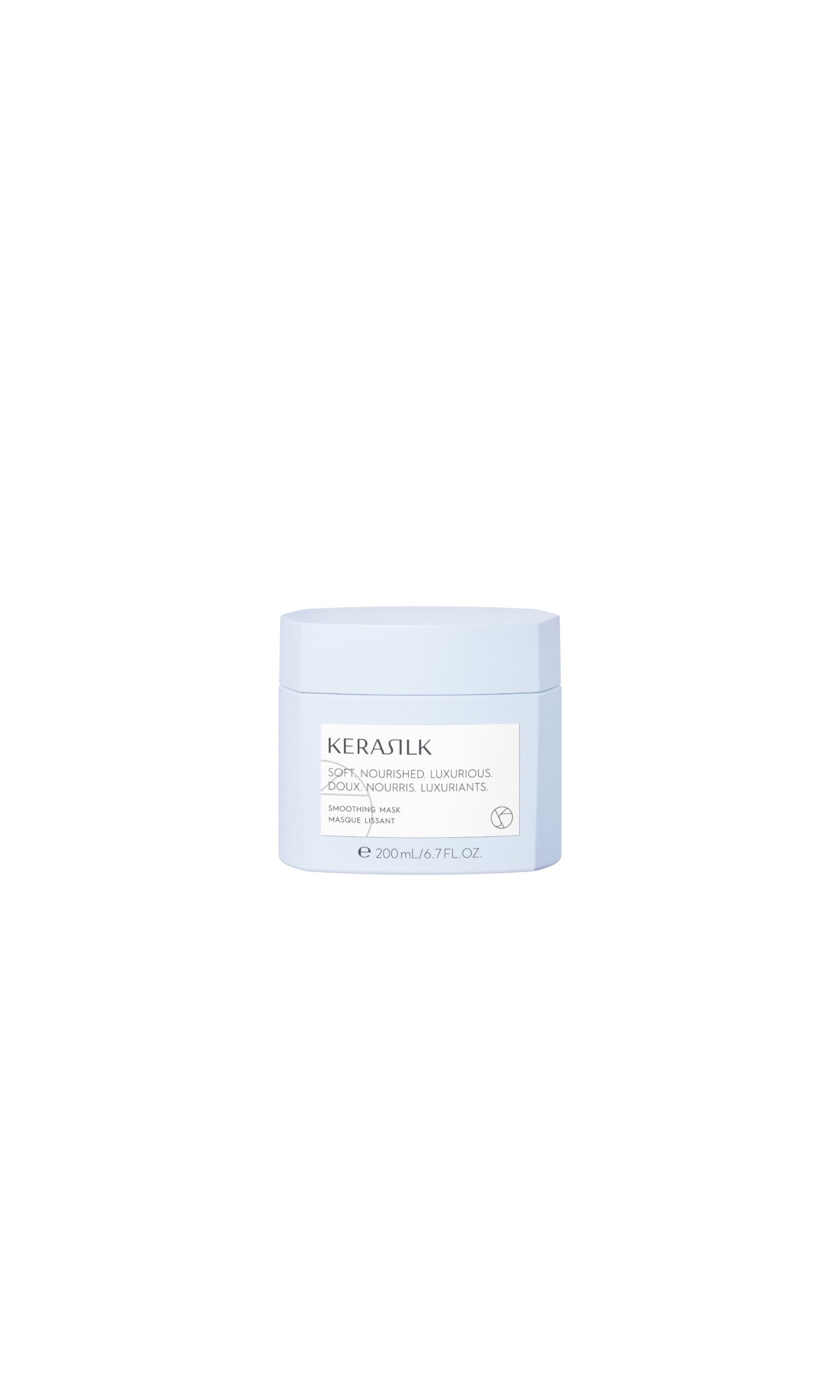

Order online and pick up at the studio, or shop all products →